Inside BMO Field's $158M World Cup Transformation
2026-05-01
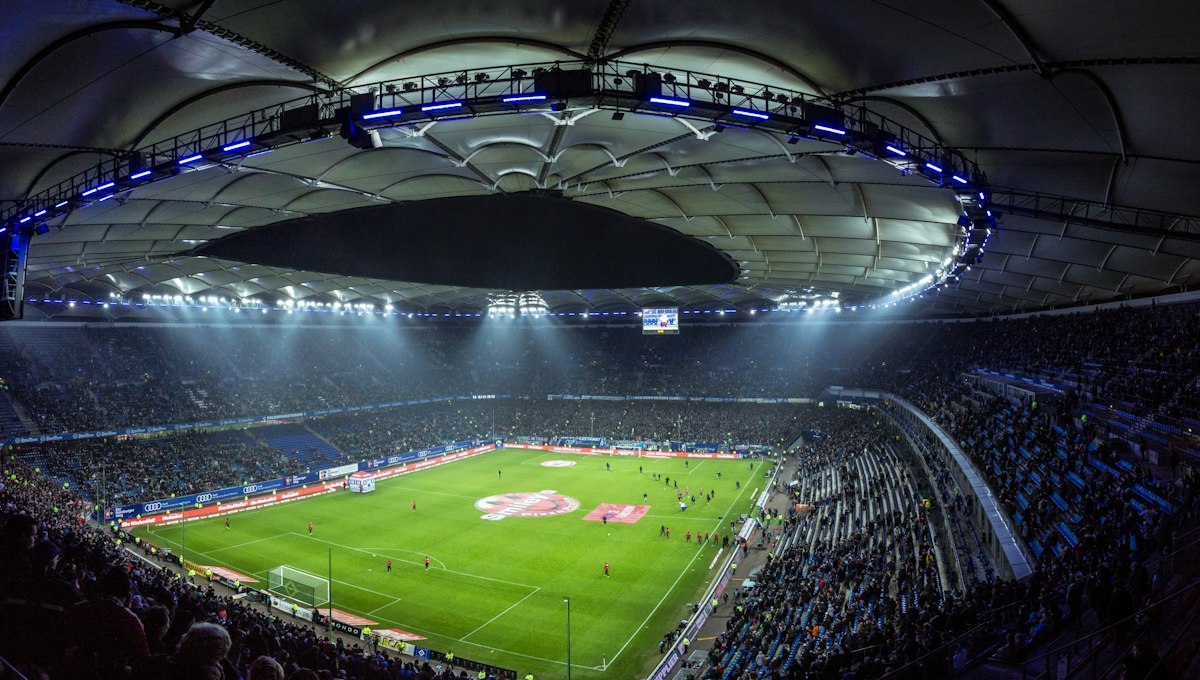
A Symbolic Handover at Toronto's Transformed Venue
On Friday, May 2, Toronto FC will host what the club is calling the True North Match at BMO Field, a ceremony that carries meaning well beyond a regular-season MLS fixture. TFC General Manager Jason Hernandez put it plainly in a statement released this week: "As our city prepares to welcome the world in our backyard, it is an honour to hand the keys to BMO Field to the Canada Soccer Men's National team." The match is one of the final events at the venue before the stadium transitions into FIFA control ahead of the 2026 World Cup, making it a quiet but significant milestone in Toronto's host-city calendar.
The timing is deliberate. BMO Field completed a C$157.9-million overhaul in March 2026, expanding its capacity from 30,000 to 45,000 seats through the installation of 17,000 temporary structures in the north and south stands. Mayor Olivia Chow captured the mood at the March 24 unveiling with a three-word verdict: "Toronto is ready." The renovation involved contributions from MLSE (C$25 million) and the City of Toronto (C$132.9 million), with Deloitte Canada projecting a C$940-million economic impact on the Toronto metropolitan area across the tournament window. Fans looking to compare the two Canadian host cities can read our guide to Vancouver's World Cup 2026 preparations for a full look at what BC Place is bringing to the tournament.
What the $158M Bought
The headline numbers tell part of the story; the detail work tells the rest. Engineers installed a 115-by-150-metre suspended roof over the expanded seating bowl, giving the venue a more enclosed feel that should amplify crowd noise on match nights. Four corner LED screens, each carrying more than five million pixels, replace the previous display infrastructure, and a completely rebuilt broadcast control room meets FIFA's production standards for global transmission. The players' tunnel was reconstructed to FIFA specifications, and the pitch itself received a new surface certified for elite international play. MLSE Chief Operating Officer Nick Eaves described the result simply: "This stadium has been truly transformed." You can browse the full 2026 host venue guide for technical specs on all sixteen stadiums across the three host nations.
For the road to 2026, this matters because host readiness is judged on the quiet details: transit capacity on match day, security perimeters that do not strangle surrounding neighbourhoods, and broadcast compounds that do not overwhelm the venue. Toronto Stadium (BMO Field's official tournament name) is the smallest venue in the 2026 draw, which means spectators will sit closer to the pitch than at any other World Cup site this summer. Under the expanded 48-team format, the group-stage atmosphere at a tighter ground could be one of the defining sensory memories of the tournament.
Six Matches, Starting June 12
The venue is scheduled to host six World Cup fixtures between June 12 and July 2: Canada opens against Bosnia and Herzegovina on June 12 at 3 p.m. local time, followed by Ghana versus Panama (June 17), Germany versus Ivory Coast (June 20), Panama versus Croatia (June 23), Senegal versus Iraq (June 26), and a Round of 32 match on July 2. The spread of fixtures across different groups means the venue will see varied atmospheres, from the partisan Canadian crowd for the opener to the neutral shuffle of later group games. For anyone still planning travel to Toronto for match week, hotel and rail options near Exhibition Place tend to fill quickly once national teams confirm their openers, so it is worth checking availability now.
The True North Match on May 2 also gives fans a preview of what to expect on tournament days. TFC and BMO have arranged for select World Cup concession items to be available at the game, including a Beef Brisket Sandwich made with Canadian ingredients that will be served during the tournament proper. A capsule merchandise collection previewing the "For Club and Country" apparel line, created in partnership with Peace Collective, goes on sale at Real Sports Apparel kiosks on May 2, with the full range following on May 9. Whether you plan to be inside the stadium or watching from a fan zone across the city, understanding the venue's new layout is a good starting point; Canada's complete World Cup schedule maps out every fixture across both Canadian host cities.
Sources
- Colombia One: The Major Renovation of Toronto Stadium for the FIFA World Cup 2026 (April 29, 2026)
- Global News: Toronto completes renovations to expand World Cup stadium to 45K seats (March 2026)
- NOW Toronto: BMO Field's million-dollar upgrades are complete for the World Cup (March 2026)
- Toronto FC: Toronto FC to Honour Canada Soccer Men's National Team Ahead of FIFA World Cup 2026 (May 2026)